Cottonపత్తిकपास · 7 min readనిమిషాల పఠనంमिनट पढ़ें
Cotton Boll Shedding: Micronutrient Management for Better Boll Retention
Cotton can shed up to a large share of its squares and young bolls under stress. Good nutrition is one of the few factors a farmer can control.
పత్తిలో కాయ రాలడం: మెరుగైన కాయ నిలుపుదలకు సూక్ష్మ పోషకాల నిర్వహణ
ఒత్తిడిలో పత్తి తన పూత మొగ్గలు, లేత కాయల్లో పెద్ద భాగాన్ని రాల్చేస్తుంది. రైతు నియంత్రించగల కొద్ది అంశాల్లో మంచి పోషణ ఒకటి.
कपास में बॉल झड़ना: बेहतर बॉल टिकाव के लिए सूक्ष्म पोषक प्रबंधन
तनाव में कपास अपनी कलियों और छोटे बॉल का बड़ा हिस्सा गिरा देती है. किसान के नियंत्रण में जो थोड़ी चीजें हैं, उनमें अच्छा पोषण एक है.
Byరచన:लेखक: Navamitraa Agri Tech · Publishedప్రచురణप्रकाशित · Updatedనవీకరణअपडेट
ఈ వ్యాసం ప్రస్తుతం ఇంగ్లీష్లో మాత్రమే అందుబాటులో ఉంది.
यह लेख फिलहाल केवल अंग्रेज़ी में उपलब्ध है।
Key takeawaysముఖ్యాంశాలుमुख्य बातें
- Boll shedding is driven by moisture stress, pests, weather and nutrient imbalance together.
- Boron supports flowering and boll setting; magnesium keeps leaves green during boll filling.
- Reddening of leaves late in the season is often linked to magnesium shortage.
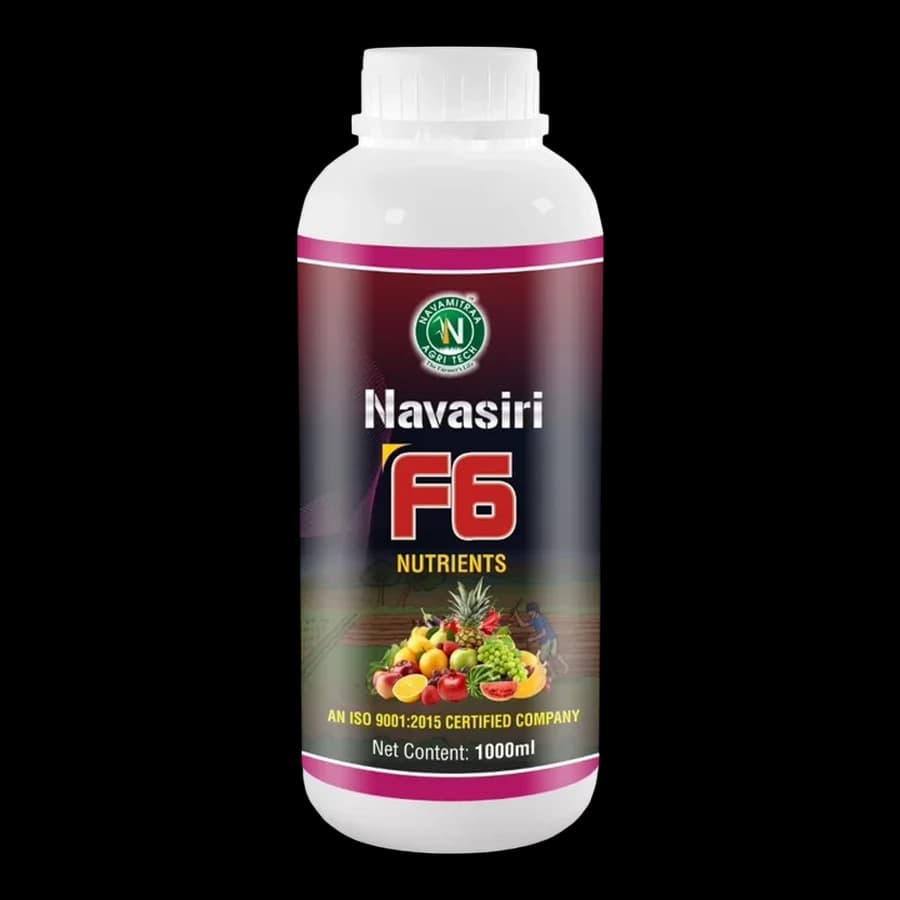
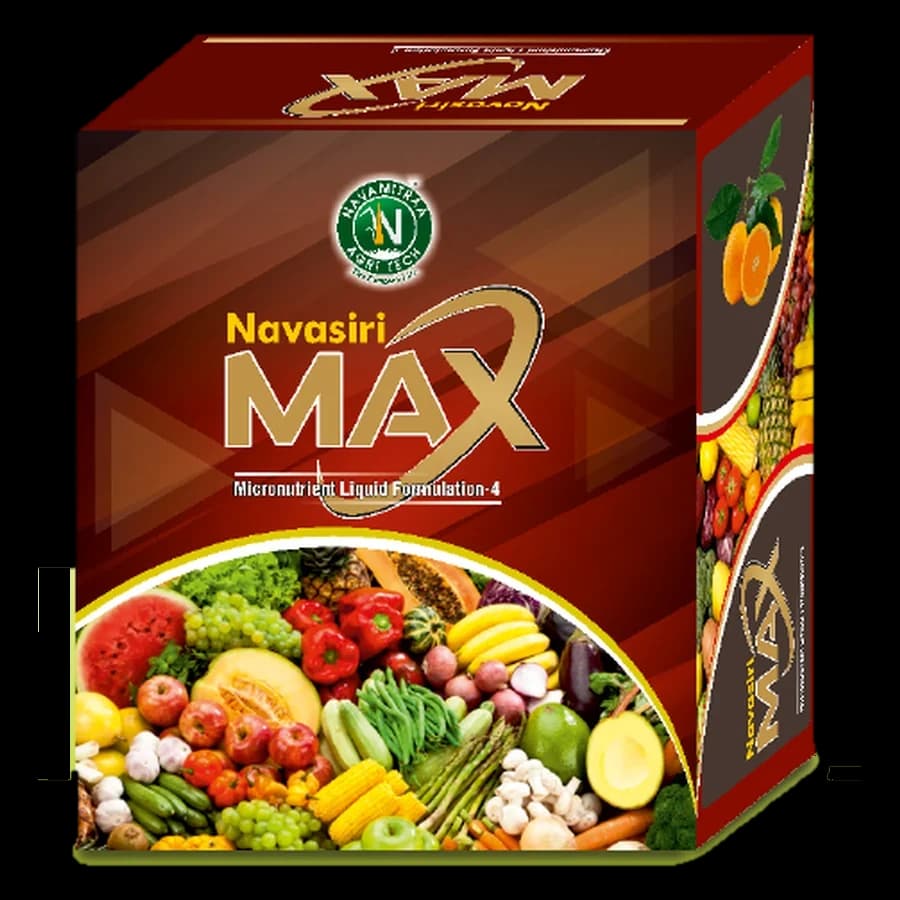
- Micronutrient mixtures such as Navasiri F6 and Navasiri Max are designed for cash crops like cotton.
- Follow label doses and avoid spraying in strong heat.
Why cotton sheds squares and bolls
Cotton naturally sheds some squares and young bolls, but heavy shedding lowers yield. The plant drops fruiting parts when it cannot feed them, so anything that limits photosynthesis, water or nutrients can raise the shedding rate.
- Drought stress or waterlogging during flowering and boll formation.
- Pest damage from bollworms, sucking pests, thrips and mites.
- Cloudy weather for long periods that reduces photosynthesis.
- Nitrogen imbalance, either too low or too high.
- Shortage of boron, magnesium, zinc and other micronutrients.
Micronutrients that support boll retention
Boron
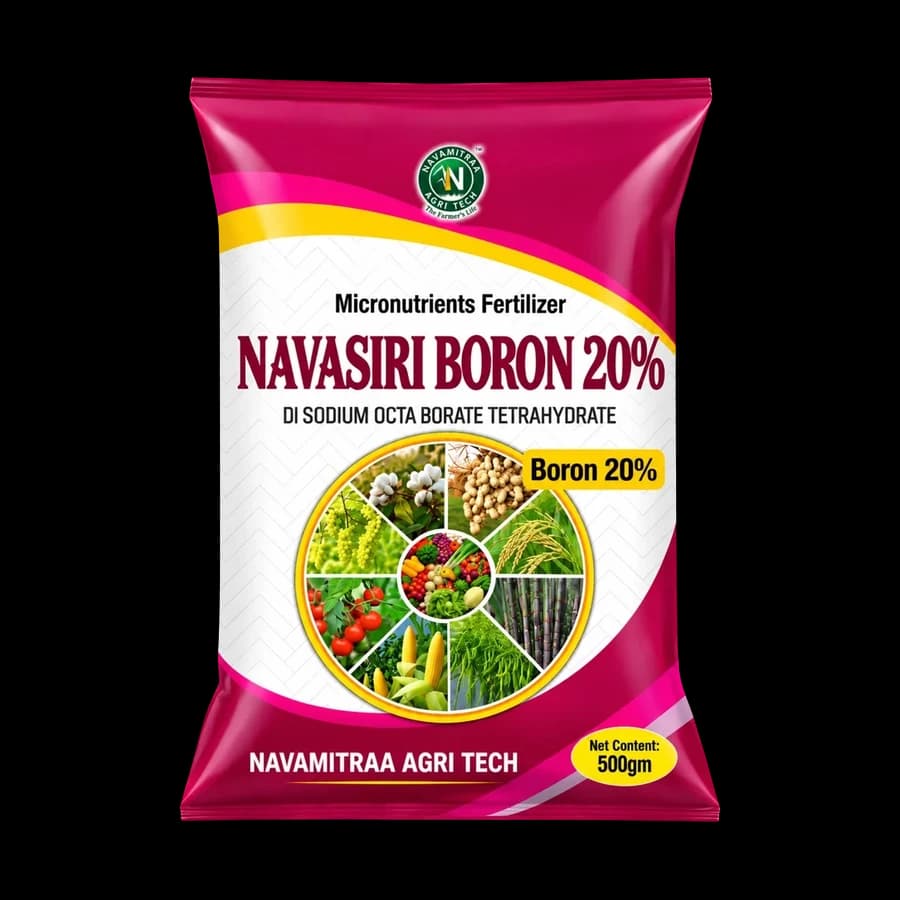
Boron is needed for pollen tube growth and boll setting. Deficiency leads to poor square and boll retention. A foliar spray of Navasiri Boron 20% at 1.0-1.5 g per litre, with a sticker-spreader, is commonly used at the early flowering stage.
Magnesium
Magnesium sits at the centre of the chlorophyll molecule. When it runs short, older leaves turn yellow between the veins and later red or bronze, a common sight in cotton at boll-filling stage. Navasiri Meg 9.6% at 2.5-5 g per litre helps prevent and correct this yellowing.
Zinc and trace elements
Zinc deficiency can cause a rosette or small-leaf appearance in cotton. Navasiri Zinc 33% or Zinc 12% corrects it. For an all-round trace element spray, Navasiri F6 (2.5 ml per litre) and Navasiri Max (2.5-3.5 ml per litre) are labelled to reduce flower and fruit drop and improve disease resistance.
Soil application for the whole season
Navasiri Soil Star at 5-10 kg per acre is a soil application that corrects micronutrient deficiency and keeps nutrients in better balance.
Practical spray timing for cotton
Match the schedule to your local recommendation and soil test report.
- Square formation and first flowering: boron and a micronutrient mixture.
- Peak flowering and early boll set: repeat the mixture as per label.
- Boll-filling stage: magnesium if older leaves show yellowing or reddening.
- Spray early morning or evening and add a sticker-spreader for better coverage.
FAQs: Cotton Boll Shedding
Why do cotton leaves turn red late in the season?
Leaf reddening at the boll-filling stage is frequently linked to magnesium shortage, along with cool nights, heavy boll load and potassium imbalance. A magnesium foliar spray together with balanced potash often helps. Because several factors can cause reddening, confirm with a leaf or soil test where possible.
How many micronutrient sprays does cotton need?
There is no single answer, because it depends on soil fertility, variety and weather. Many farmers give a first spray at square formation and a repeat at flowering and boll set. Follow the interval on the label, and let a soil test guide how many extra sprays are really needed.
Can micronutrient sprays replace main fertilisers?
No. Micronutrients are needed in small amounts and work alongside nitrogen, phosphorus and potash, not instead of them. They help the plant use the main nutrients more effectively and correct hidden deficiencies.
Is it safe to spray in the afternoon?
It is better to avoid midday and afternoon heat because spray droplets dry fast and can scorch leaves. Early morning or late evening is safer and gives the plant more time to absorb the nutrients.
Key takeawaysముఖ్యాంశాలుमुख्य बातें
- Boll shedding is driven by moisture stress, pests, weather and nutrient imbalance together.
- Boron supports flowering and boll setting; magnesium keeps leaves green during boll filling.
- Reddening of leaves late in the season is often linked to magnesium shortage.
- Micronutrient mixtures such as Navasiri F6 and Navasiri Max are designed for cash crops like cotton.
- Follow label doses and avoid spraying in strong heat.
Why cotton sheds squares and bolls
Cotton naturally sheds some squares and young bolls, but heavy shedding lowers yield. The plant drops fruiting parts when it cannot feed them, so anything that limits photosynthesis, water or nutrients can raise the shedding rate.
- Drought stress or waterlogging during flowering and boll formation.
- Pest damage from bollworms, sucking pests, thrips and mites.
- Cloudy weather for long periods that reduces photosynthesis.
- Nitrogen imbalance, either too low or too high.
- Shortage of boron, magnesium, zinc and other micronutrients.
Micronutrients that support boll retention
Boron
Boron is needed for pollen tube growth and boll setting. Deficiency leads to poor square and boll retention. A foliar spray of Navasiri Boron 20% at 1.0-1.5 g per litre, with a sticker-spreader, is commonly used at the early flowering stage.
Magnesium
Magnesium sits at the centre of the chlorophyll molecule. When it runs short, older leaves turn yellow between the veins and later red or bronze, a common sight in cotton at boll-filling stage. Navasiri Meg 9.6% at 2.5-5 g per litre helps prevent and correct this yellowing.
Zinc and trace elements
Zinc deficiency can cause a rosette or small-leaf appearance in cotton. Navasiri Zinc 33% or Zinc 12% corrects it. For an all-round trace element spray, Navasiri F6 (2.5 ml per litre) and Navasiri Max (2.5-3.5 ml per litre) are labelled to reduce flower and fruit drop and improve disease resistance.
Soil application for the whole season
Navasiri Soil Star at 5-10 kg per acre is a soil application that corrects micronutrient deficiency and keeps nutrients in better balance.
Practical spray timing for cotton
Match the schedule to your local recommendation and soil test report.
- Square formation and first flowering: boron and a micronutrient mixture.
- Peak flowering and early boll set: repeat the mixture as per label.
- Boll-filling stage: magnesium if older leaves show yellowing or reddening.
- Spray early morning or evening and add a sticker-spreader for better coverage.
Frequently asked questionsతరచుగా అడిగే ప్రశ్నలుअक्सर पूछे जाने वाले प्रश्न
Why do cotton leaves turn red late in the season?
Leaf reddening at the boll-filling stage is frequently linked to magnesium shortage, along with cool nights, heavy boll load and potassium imbalance. A magnesium foliar spray together with balanced potash often helps. Because several factors can cause reddening, confirm with a leaf or soil test where possible.
How many micronutrient sprays does cotton need?
There is no single answer, because it depends on soil fertility, variety and weather. Many farmers give a first spray at square formation and a repeat at flowering and boll set. Follow the interval on the label, and let a soil test guide how many extra sprays are really needed.
Can micronutrient sprays replace main fertilisers?
No. Micronutrients are needed in small amounts and work alongside nitrogen, phosphorus and potash, not instead of them. They help the plant use the main nutrients more effectively and correct hidden deficiencies.
Is it safe to spray in the afternoon?
It is better to avoid midday and afternoon heat because spray droplets dry fast and can scorch leaves. Early morning or late evening is safer and gives the plant more time to absorb the nutrients.
This article is for general education. Results depend on crop, soil, weather and management. Follow the product label and consult your local agriculture officer or KVK before changing your nutrient plan.ఈ వ్యాసం సాధారణ అవగాహన కోసం మాత్రమే. ఫలితాలు పంట, నేల, వాతావరణం, నిర్వహణపై ఆధారపడతాయి. పోషక ప్రణాళిక మార్చే ముందు ఉత్పత్తి లేబుల్ పాటించండి, స్థానిక వ్యవసాయ అధికారి లేదా KVKని సంప్రదించండి.यह लेख सामान्य जानकारी के लिए है। नतीजे फसल, मिट्टी, मौसम और प्रबंधन पर निर्भर करते हैं। पोषण योजना बदलने से पहले उत्पाद का लेबल देखें और अपने स्थानीय कृषि अधिकारी या KVK से सलाह लें।